
Third HarvestThird Harvest
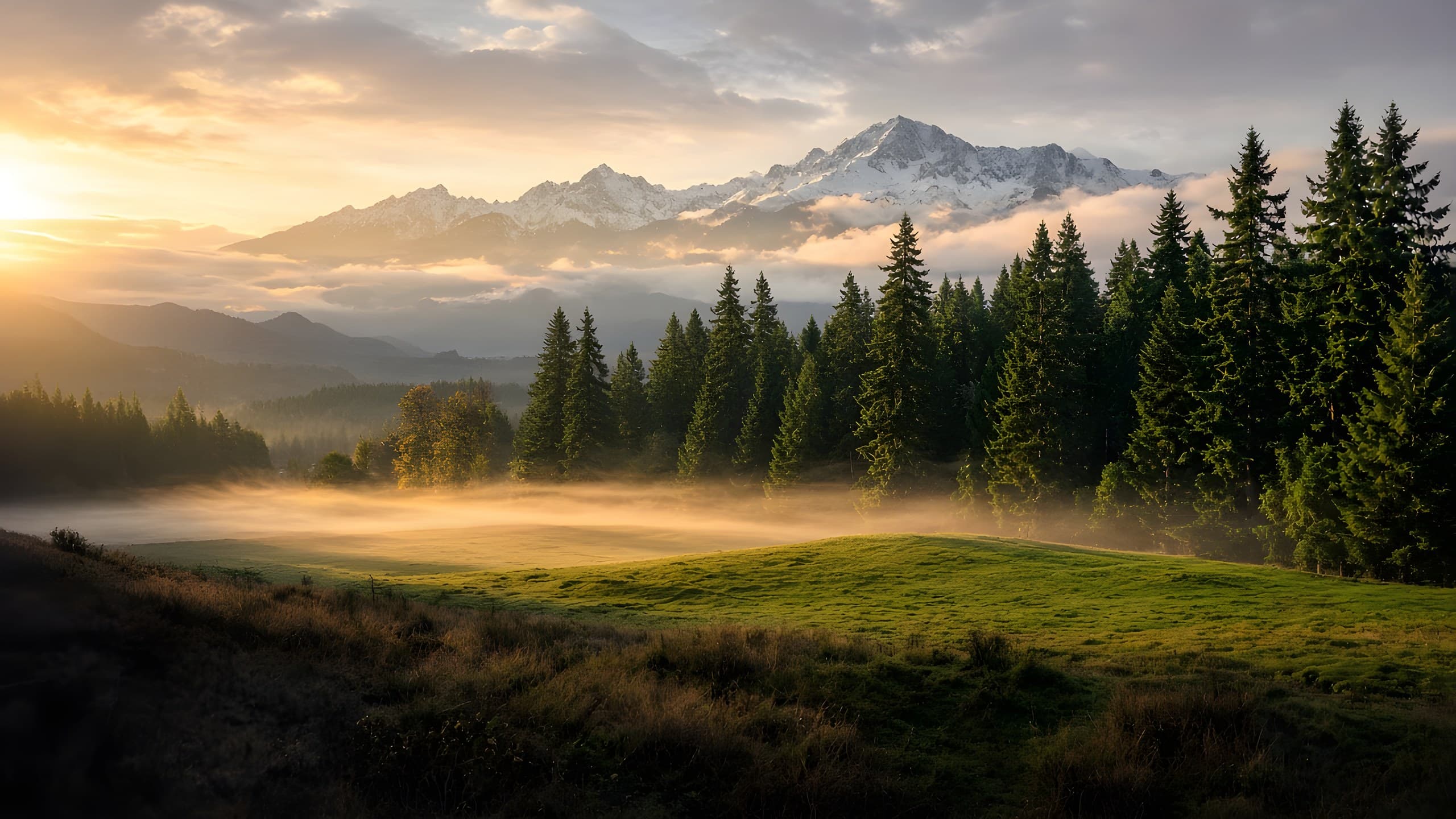
Misty pasture and fir forest below snowy mountains at sunrise

The people measuring your land are often the ones buying it.

Third Harvest is building a transparent appraisal system for land and everything living on it. The data is signed where it's collected, valued in the open, and shown to everyone with a stake in the land.

When the appraiser holds the contract

You wouldn't let the person buying your house also write its appraisal.

In forestry, that arrangement is common. The firm that values a stand of timber is often the same firm holding the contract to manage or harvest it. Nobody has to be dishonest for that to be a problem. When the same hand holds the measuring tape and the paycheck, everyone else is right to wonder which way the tape bends.

Why forestry has to change →

Why forestry has to change

A notary in the field. An appraiser who shows the math.

Together: Sentinel makes the data trustworthy, and Nineveh makes it meaningful. Either one alone is half a scale.

Explore the technology

Nothing up our sleeve

At the feed store, the scale faces the customer, so both of you watch the needle settle.

  1. Collect.

    Machines, drones, and sensors already working the land gather readings as they go.

  2. Sign.

    Harvest Sentinel stamps each reading at the source.

  3. Value.

    Harvest Nineveh weighs each acre across ecological and economic factors and keeps weighing as the land changes.

  4. Show.

    The landowner, the neighbor, the tribe, and the agency all see the same result and the reasons behind it.

What you can always see, and what we protect →

An equal seat at the table

A scale is only fair if no single person holds it.

First Nations.

The people who have cared for these forests the longest are planned to hold an equal seat at the table: shared ownership and an equal voice in governing the core technology, carried through a First Nations DAO. This adoption period gives First Nations a chance to join the industry on their own terms, but it doesn't force anyone to, and the industry can still grow and thrive without it.

Landowners and neighbors.

Private and commercial landowners, small woodlot owners, and farmers get the same open view of their own land that everyone else gets.

Public and private, together.

Third Harvest is built as a public-private partnership.

Third Harvest Inc.

A company based in Port Angeles, Washington.

Third Harvest is a commercial land-intelligence company. It does not speak for any nation. The planned structure depends on agreements with participating tribes.

About the model

Locked up, in plain sight

This is First Nations land: permanent stewardship land held in trust, whose underlying asset is usually never sold. Like heritage land passed down through generations, we believe that permanence gives stewardship steady ground to stand on.

Nothing on this site is an offer to sell, or a solicitation of an offer to buy, any security, token, or other interest. Third Harvest makes no promise or guarantee of any return, price, value, dividend, or appreciation. Trust-land, ownership, and token structures described here are planned, may change, and are subject to legal review, tribal engagement, and applicable law. Tribal engagement is focused on Olympic Peninsula tribes and progress has started.

It starts on the Olympic Peninsula

The nursery is the hands. Sentinel and Nineveh are the eyes. The same stack built for Peninsula forests is designed to carry over to farmland and anywhere else machines already move across land.

Why now: the rails are being laid

Every harvester, tractor, and drone working the land already collects data, but each brand keeps it locked in its own box. Meanwhile, the rules for recording real-world assets on public ledgers are being written right now. Whatever gets built in the next few years becomes the default for a long time. We'd like that default to be open.

  1. Done

    Patent applications filed for Harvest Sentinel™ and Harvest Nineveh™. Trademark applications pending.

  2. Underway

    Native-nursery beta pilots, the first version of Harvest Nineveh, and early conversations with Olympic Peninsula tribes.

  3. Next

    The token and reserve build, timed to digital-asset regulation. Licensing conversations with equipment makers.

  4. Ahead

    Through the adoption period, ownership and influence in Harvest Nineveh move step by step to the First Nations DAO.

Read the full story: Why Third Harvest →

Bring us an acre. We'll show you the math.

Whether you're a landowner, a neighbor, a tribal land office, an agency, or an equipment maker, the first step is a conversation.

Contact Third Harvest