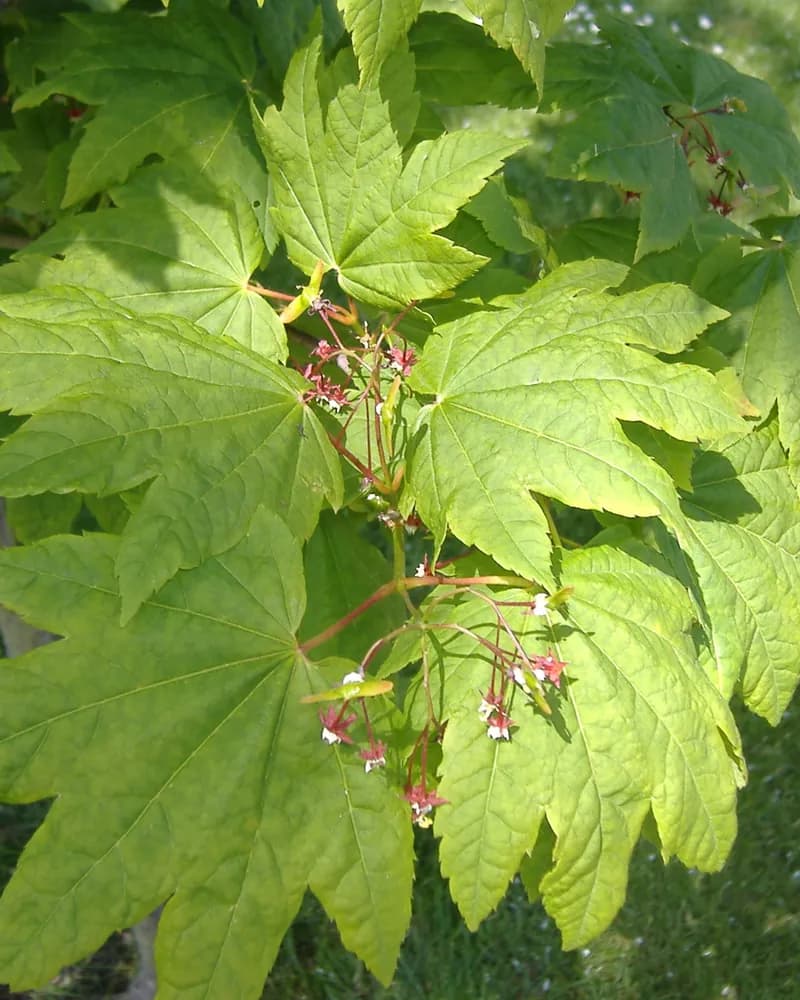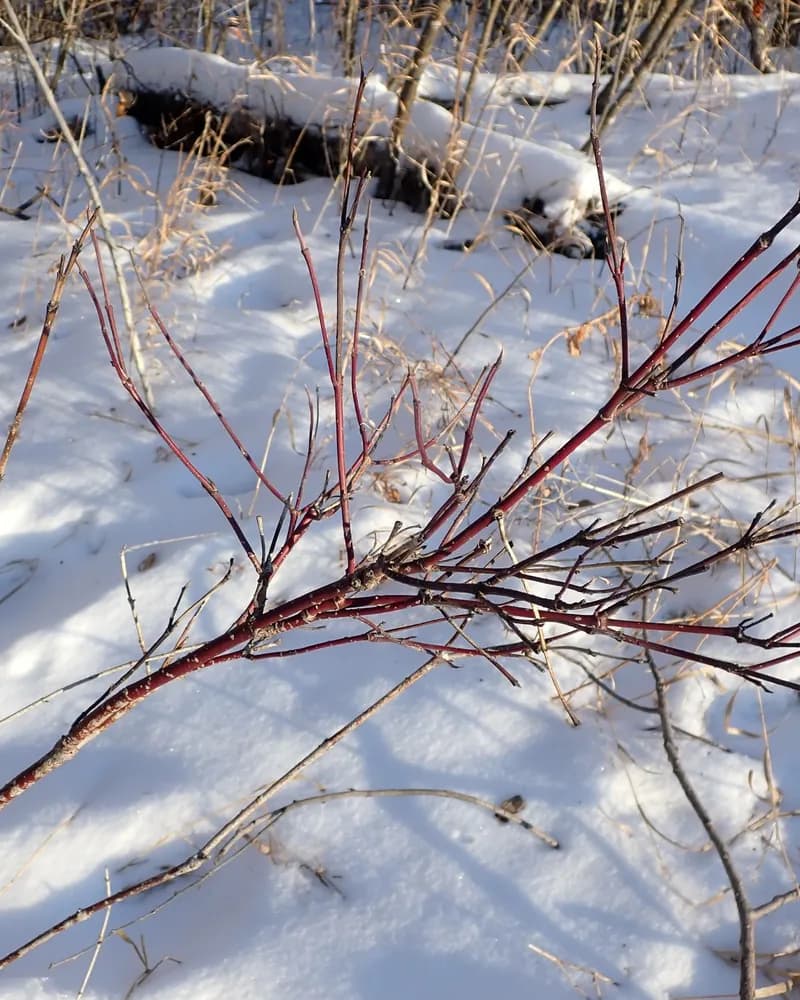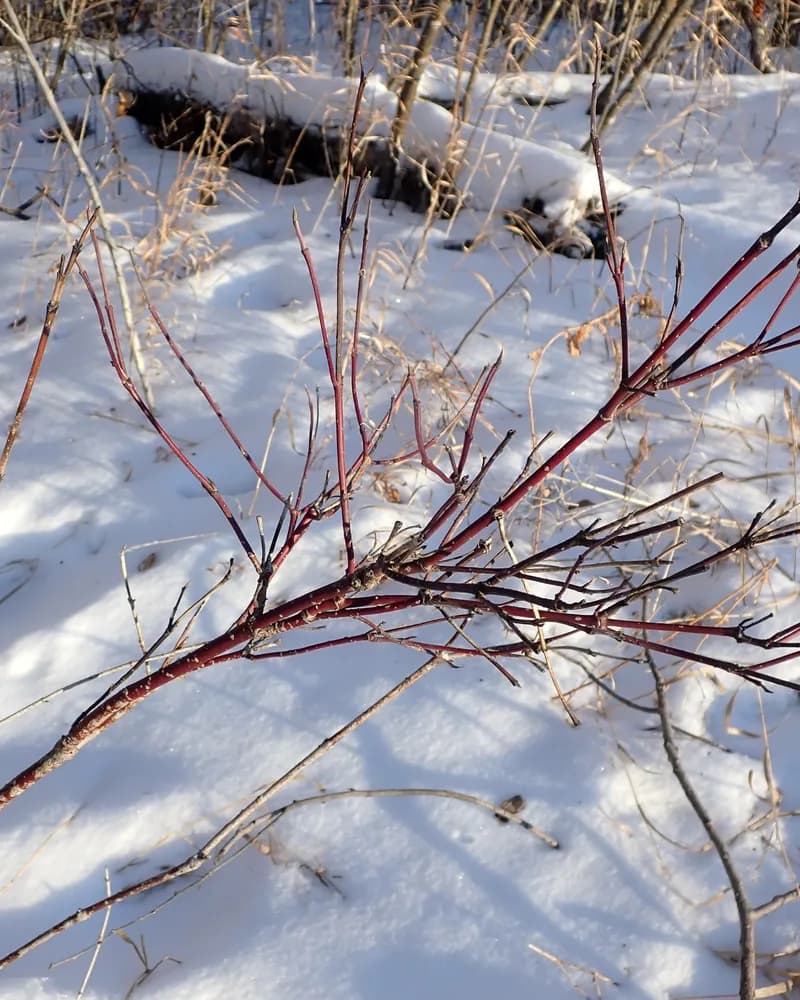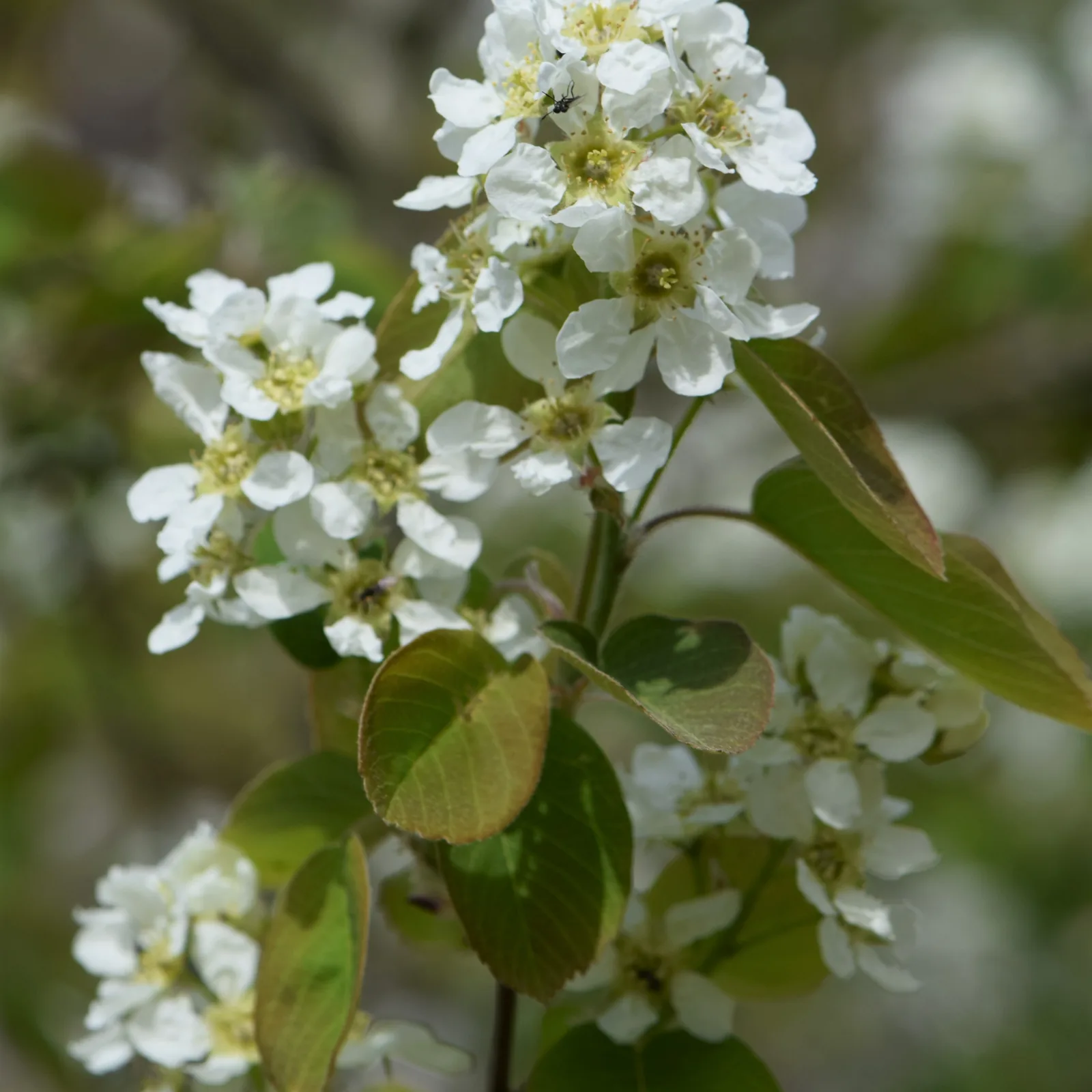
Photo: Krzysztof Ziarnek, Kenraiz, CC BY-SA 4.0, via Wikimedia Commons
Trees and shrubs
Saskatoon serviceberry
Amelanchier alnifolia
Saskatoon serviceberry is a deciduous shrub that reaches about 15 feet at maturity, with a moderate growth rate. Height 4-15 feet, spread 6-8 feet. In the wild it grows in moist stream banks to drier hillsides; open woods.
Water
Moderate
Light
Sun, Part shade, Shade
Hardiness
Zone 1
Mature height
15 ft
| Size | Each | At $10,000+ order | Quantity |
|---|---|---|---|
| 1 gal | $6.40Retail $9.99 | $5.76 | |
| 2 gal | $9.80 | $8.82 | |
| 5 gal | $21.00 | $18.90 | |
| 15 gal | $79.00 | $71.10 |
Orders of $10,000.00 or more get an extra 10% off, applied automatically.
$0.00 in cart$10,000.00
Growing guide
- Growth habit
- Deciduous Shrub
- Mature size
- Height 4-15 feet, spread 6-8 feet.
- Growth rate
- Moderate
- Water needs
- Moderate; low drought tolerance once established
- Soil moisture
- Dry, Moist
- Light
- Sun, Part Shade, Shade
- Cold hardiness
- To -62°F (about USDA Zone 1)
- Salt tolerance
- Low
- Bloom
- White · Apr, May, Jun
- Grows in
- Moist stream banks to drier hillsides; open woods
- Native range
- S. Man. to AK, s. to n.w. IA, n. NE, NM, AZ & CA
Wildlife and uses
Berries provide food for mammals and birds, and the dense growth provides shelter. The shrub has good nutrient levels throughout the year. It is browsed mostly in spring when it provides good forage for cattle, goats, sheep, and wild ungulates, although in concentrated doses the twigs and leaves, which contain cyanide compounds can fatally poison these animals.
Attracts: Birds, Butterflies
This species has been developed for commercial fruit production. Its berries are 1/3-1/2 in. in diameter and blue-purple. Though it is adaptable to a variety of soil and moisture conditions, it shows some drought intolerance. It often suckers to form colonies. Under favorable conditions, individual bushes may be in bloom for as long as a month.
Good for: Restoration, Riparian, Hedgerow, Erosion control, Wildlife, Landscape
Sources
Hardiness zone is estimated from the USDA minimum temperature. Uses are suggested from USDA plant traits.