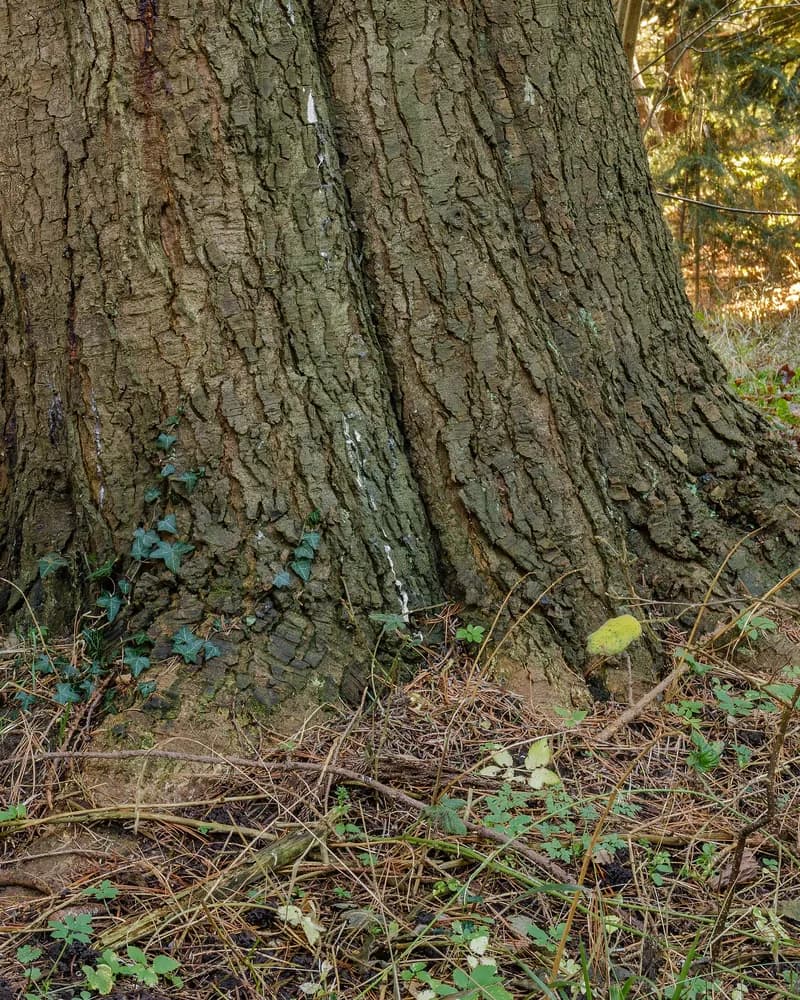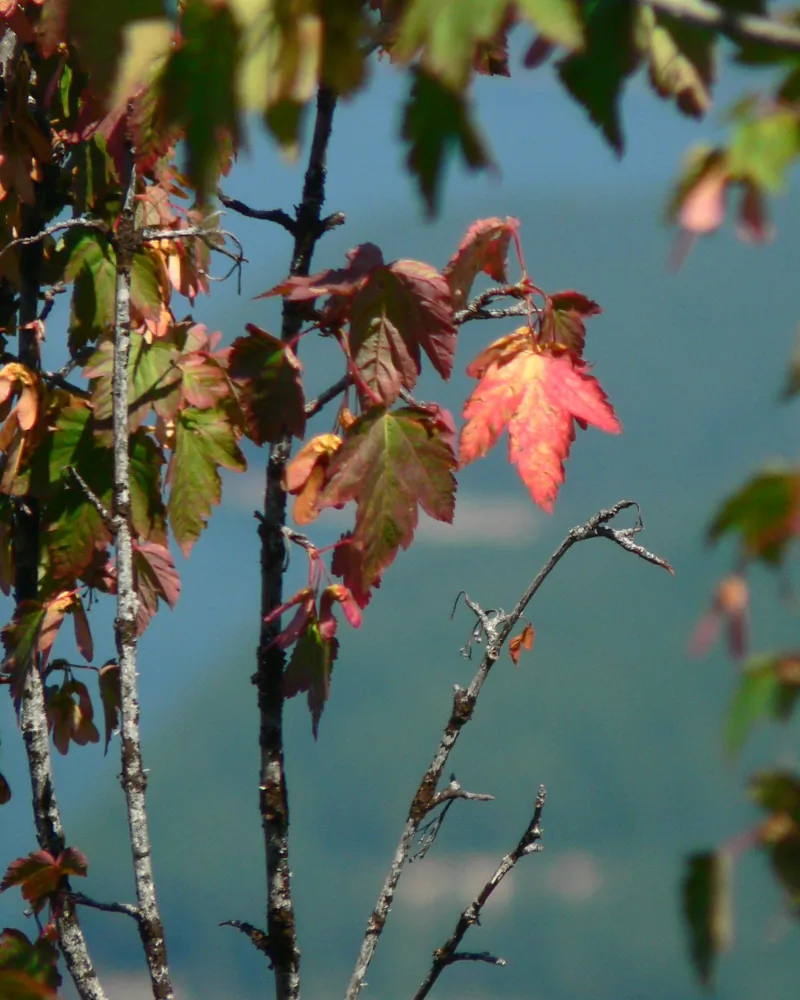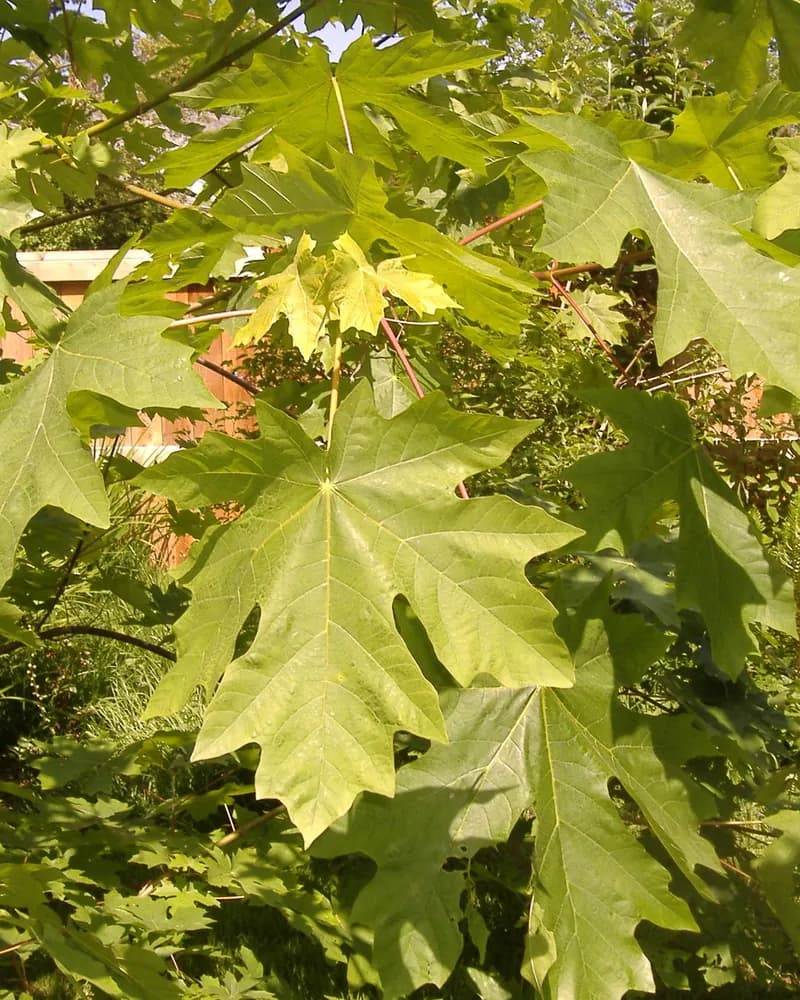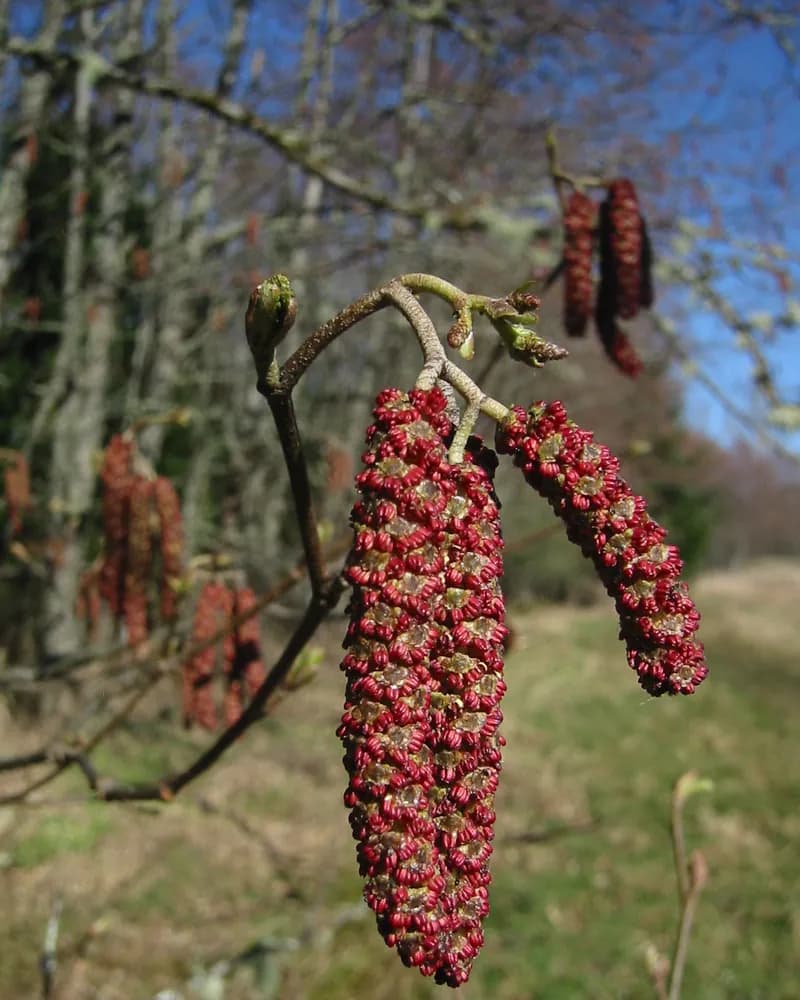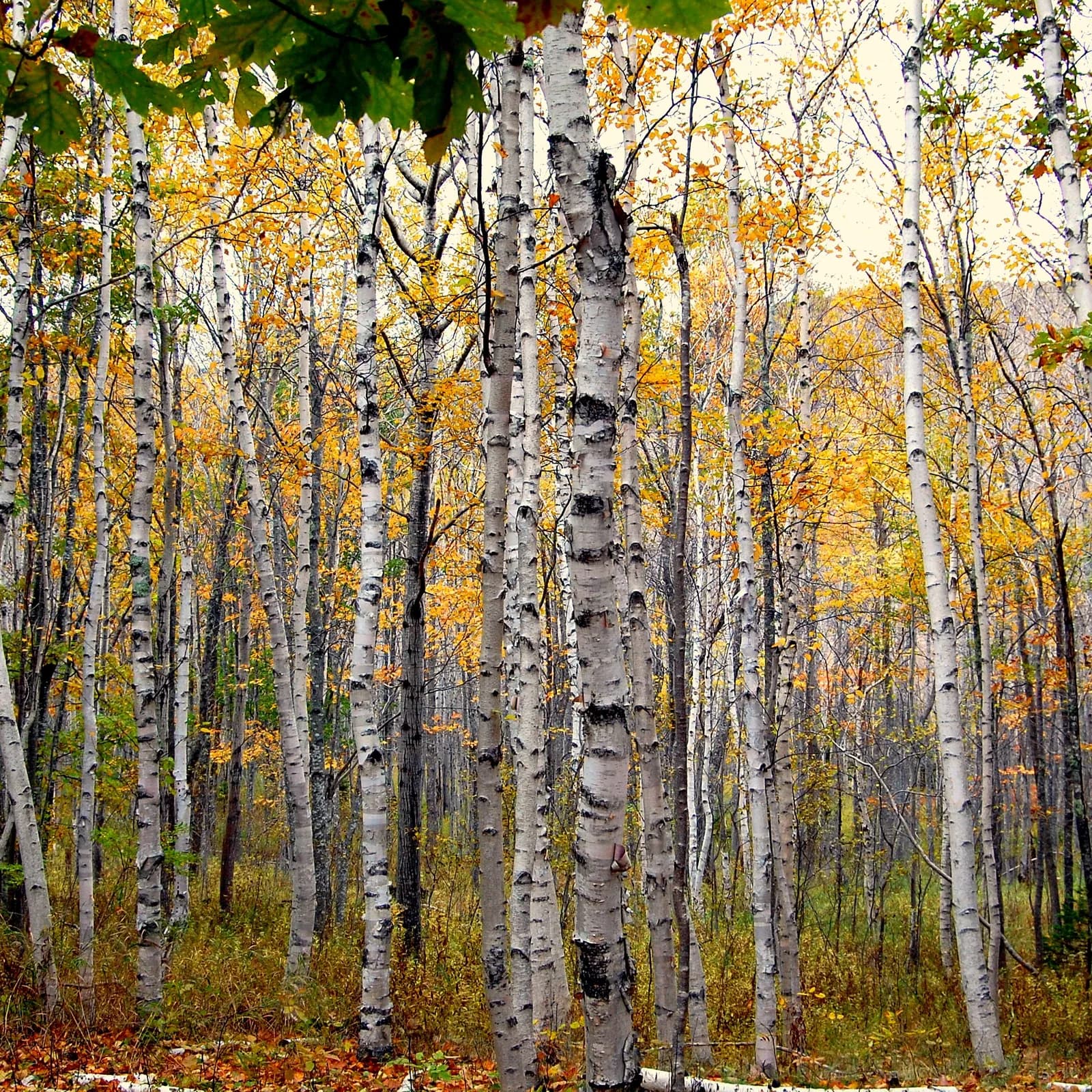
Photo: InAweofGod'sCreation, CC BY 2.0, via Wikimedia Commons
Trees and shrubs
Paper birch
Betula papyrifera
Paper birch is a deciduous tree that reaches about 70 feet at maturity, with a rapid growth rate. Up to about 75 feet tall. In the wild it grows in low, wet areas; moist hillsides; stream banks.
Water
High
Light
Sun, Part shade, Shade
Hardiness
Zone 1
Mature height
70 ft
| Size | Each | At $10,000+ order | Quantity |
|---|---|---|---|
| 1 gal | $6.40Retail $9.99 | $5.76 | |
| 2 gal | $9.80 | $8.82 | |
| 5 gal | $21.00 | $18.90 |
Orders of $10,000.00 or more get an extra 10% off, applied automatically.
$0.00 in cart$10,000.00
Growing guide
- Growth habit
- Deciduous Tree
- Mature size
- Up to about 75 feet tall.
- Growth rate
- Rapid
- Water needs
- High; low drought tolerance once established; low tolerance of saturated soil
- Soil moisture
- Moist
- Light
- Sun, Part Shade, Shade
- Cold hardiness
- To -62°F (about USDA Zone 1)
- Salt tolerance
- Medium
- Bloom
- Yellow, Green, Brown · Apr
- Grows in
- Low, wet areas; moist hillsides; stream banks
- Native range
- Nf. & Lab. to AK, s. to NJ, VA mts., n.e. IN, WY & n.e. OR
Wildlife and uses
Songbirds, ground birds and mammals use this species.
Attracts: Birds, Butterflies
Paper birch is sensitive to disease and insects, especially the bronze birch borer, under unfavorable growing conditions. The species requires cool summers where average July temperatures are below 70 degrees. Do not prune until summer when the sap has stopped flowing. More tolerant of high pH than river birch. Short-lived. The species white bark achieves maximum ornamental value with a dark background of pine, spruce and fir. Susceptible to Bronze Birch borer and Birch Dieback.
Good for: Restoration, Riparian, Wildlife, Landscape
Sources
Hardiness zone is estimated from the USDA minimum temperature. Uses are suggested from USDA plant traits.