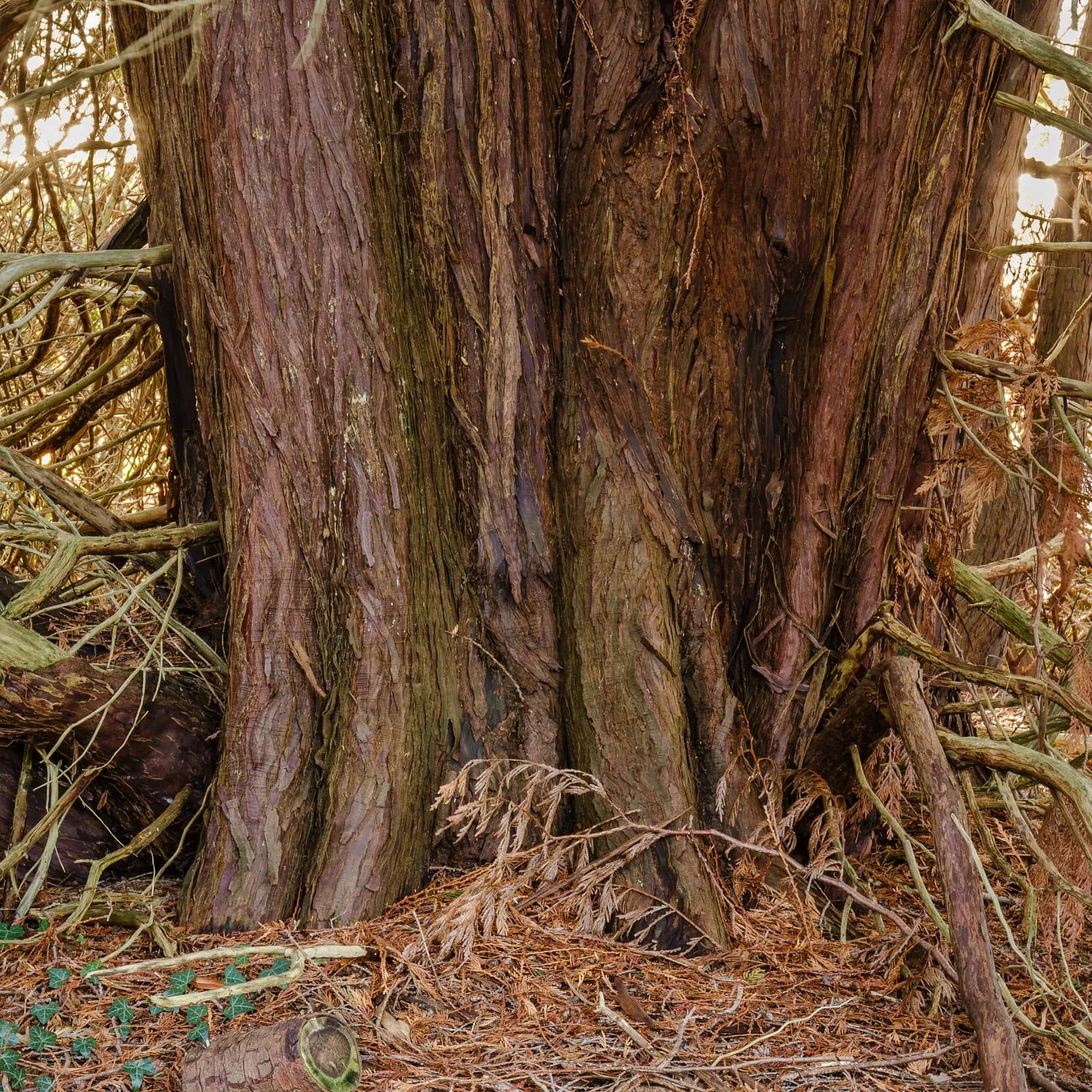
Photo: Agnes Monkelbaan, CC BY-SA 4.0, via Wikimedia Commons
Trees and shrubs
Western red cedar
Thuja plicata
Western red cedar is an evergreen tree that reaches about 150 feet at maturity, with a slow growth rate. Up to about 200 feet tall. In the wild it grows in moist flats; river banks; swamps.
Water
Moderate
Light
Part shade, Shade
Hardiness
Zone 3
Mature height
150 ft
| Size | Each | At $10,000+ order | Quantity |
|---|---|---|---|
| 1 gal | $6.40Retail $9.99 | $5.76 | |
| 2 gal | $9.80 | $8.82 | |
| 5 gal | $21.00 | $18.90 | |
| 15 gal | $79.00 | $71.10 | |
| 8-10 ft B&B | $143.00 | $128.70 | |
| 10-12 ft B&B | $215.00 | $193.50 | |
| 12-14 ft B&B | $215.00 | $193.50 | |
| 14-16 ft B&B | $429.00 | $386.10 |
Orders of $10,000.00 or more get an extra 10% off, applied automatically.
$0.00 in cart$10,000.00
Growing guide
- Growth habit
- Evergreen Tree
- Mature size
- Up to about 200 feet tall.
- Growth rate
- Slow
- Water needs
- Moderate; low drought tolerance once established
- Soil moisture
- Moist, Wet
- Light
- Part Shade, Shade
- Cold hardiness
- To -33°F (about USDA Zone 3)
- Bloom
- Red, Purple · Apr
- Grows in
- Moist flats; river banks; swamps
- Native range
- S. AK, s. to n. CA & n.w. MT
Wildlife and uses
Attracts: Butterflies
Western red cedar is a very useful, ornamental conifer. It responds nicely to pruning and is sometimes used as hedge material. It has a slow to medium growth rate, is susceptible to bagworm and heart rot, and is pH adaptable.
Good for: Restoration, Riparian, Wildlife, Landscape
Sources
Hardiness zone is estimated from the USDA minimum temperature. Uses are suggested from USDA plant traits.