Photo: Agnieszka Kwiecień, Nova, CC BY-SA 4.0, via Wikimedia Commons
Trees and shrubs
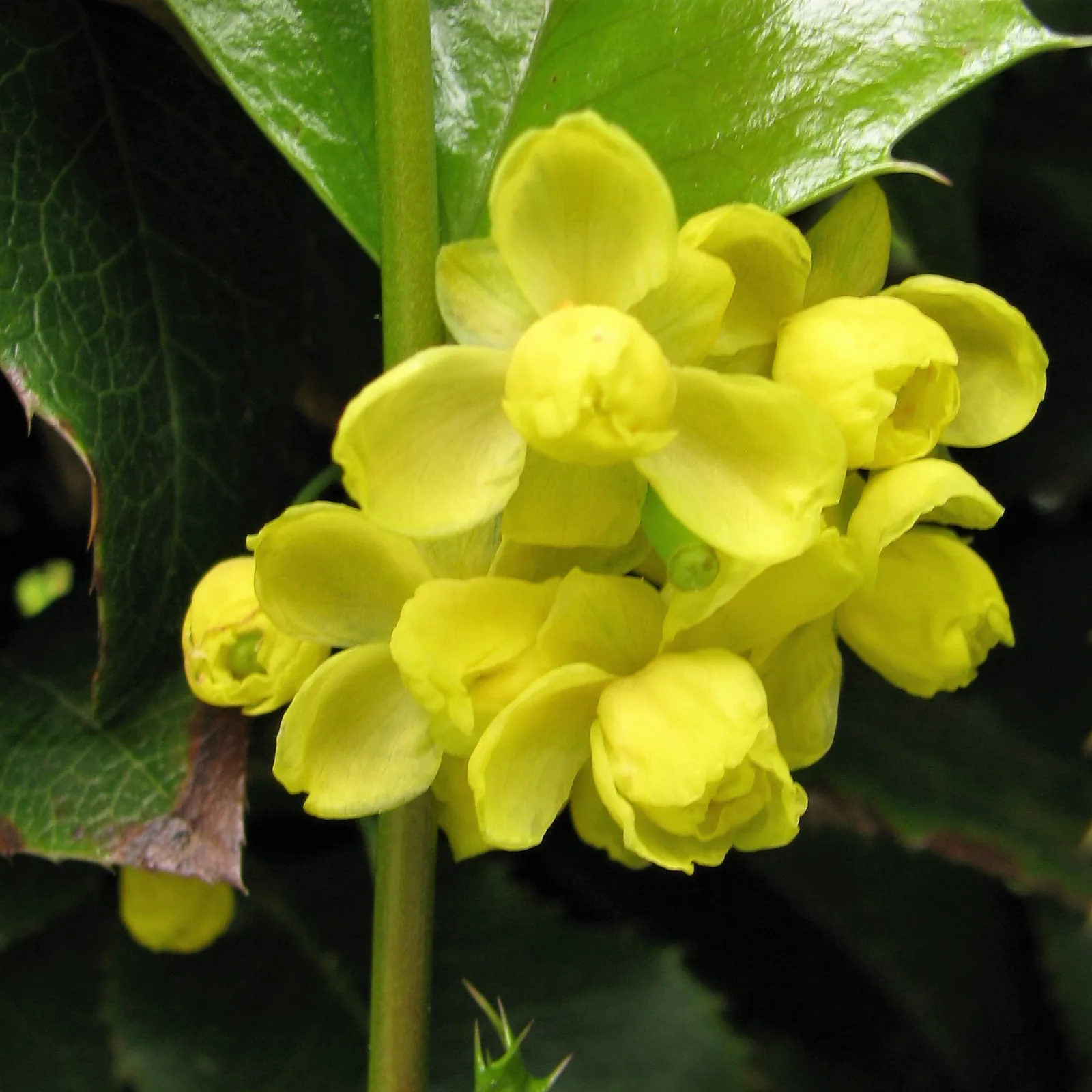
Creeping Oregon grape
Mahonia repens
Creeping Oregon grape is an evergreen shrub that reaches about 2 feet at maturity, with a slow growth rate. 6 to 10 inches high in the wild; 1 to 2 feet high in cultivation. In the wild it grows in dry, open woods & hills at high elevations.
Water
Moderate
Light
Part shade
Hardiness
Zone 4
Mature height
2 ft
| Size | Each | At $10,000+ order | Quantity |
|---|---|---|---|
| 1 gal | $6.40Retail $9.99 | $5.76 | |
| 2 gal | $9.80 | $8.82 |
Orders of $10,000.00 or more get an extra 10% off, applied automatically.
$0.00 in cart$10,000.00
Growing guide
- Growth habit
- Evergreen Shrub
- Mature size
- 6 to 10 inches high in the wild; 1 to 2 feet high in cultivation
- Growth rate
- Slow
- Water needs
- Moderate; high drought tolerance once established
- Soil moisture
- Dry, Moist
- Light
- Part Shade
- Cold hardiness
- To -23°F (about USDA Zone 4)
- Salt tolerance
- Low
- Bloom
- Yellow · Apr, May, Jun, Jul
- Grows in
- Dry, open woods & hills at high elevations
- Native range
- Mountains: British Columbia and Alberta south and east through California to the Black Hills, s. to Arizona and west Texas.
Wildlife and uses
Fruit is eaten by birds and other wildlife. Provides wildlife cover.
Attracts: Birds Value to Beneficial Insects Special Value to Native Bees This information was provided by the Pollinator Program at The Xerces Society for Invertebrate Conservation .
Will not do well in too much heat or in drying winds.
Good for: Restoration, Hedgerow, Wildlife, Landscape
Sources
Hardiness zone is estimated from the USDA minimum temperature. Uses are suggested from USDA plant traits.